

Laser Hair Removal Consent: Process & Results
Discover a simplified consent guide for laser hair reduction. Understand the process, benefits, and care easily, ensuring a safe and informed experience.
BLOGLASER PROCEDUREMUST READ
Daniela Youroukova
9/30/20235 min read


What may you read in the "Standard Consent Form for laser hair removal"
In this standard, the detailed consent form for laser hair removal, we strive to offer valuable insights into the procedure, guiding you to optimise the results effectively. As you embark on this journey, comprehending the stages of hair growth and potential side effects is crucial. By exploring these specifics, we aim to equip you with essential information, empowering you to make informed choices and achieve the best outcomes throughout your laser hair removal experience.
It's vital to emphasise that the information provided here serves as general guidelines for laser hair removal procedures. Not all the bullet points may manifest, but thanks to the significant advancements in technology, they substantially reduce side effects and challenges. Presently, the concerns outlined apply to a minority, typically around 20% of cases. The field of laser hair removal has evolved, focusing on risk reduction and enhancing the overall treatment experience, ensuring effectiveness and safety. For the most up-to-date and accurate information tailored to your circumstances, always consult with your healthcare professional.
Embarking on a laser hair removal journey? It's essential to grasp the nuances to ensure a smooth experience and optimal outcomes. In this comprehensive guide, we shed light on crucial aspects that go beyond the surface. Explore the specifics of laser hair removal, from understanding the stages of hair growth that influence treatment efficacy to gaining insights into how to prevent potential complications. By delving into these details, you're well on your way to making informed choices, setting the stage for a successful and satisfying laser hair removal adventure.
Discover the ins and outs of laser hair removal, including essential tips to enhance its effectiveness and minimise side effects. Learn about the various stages of hair growth and how laser treatments target specific phases. Find out how proper skin preparation can significantly impact the success of your laser hair removal journey. Delve into the details to make informed decisions and achieve the best results with this popular hair removal method.
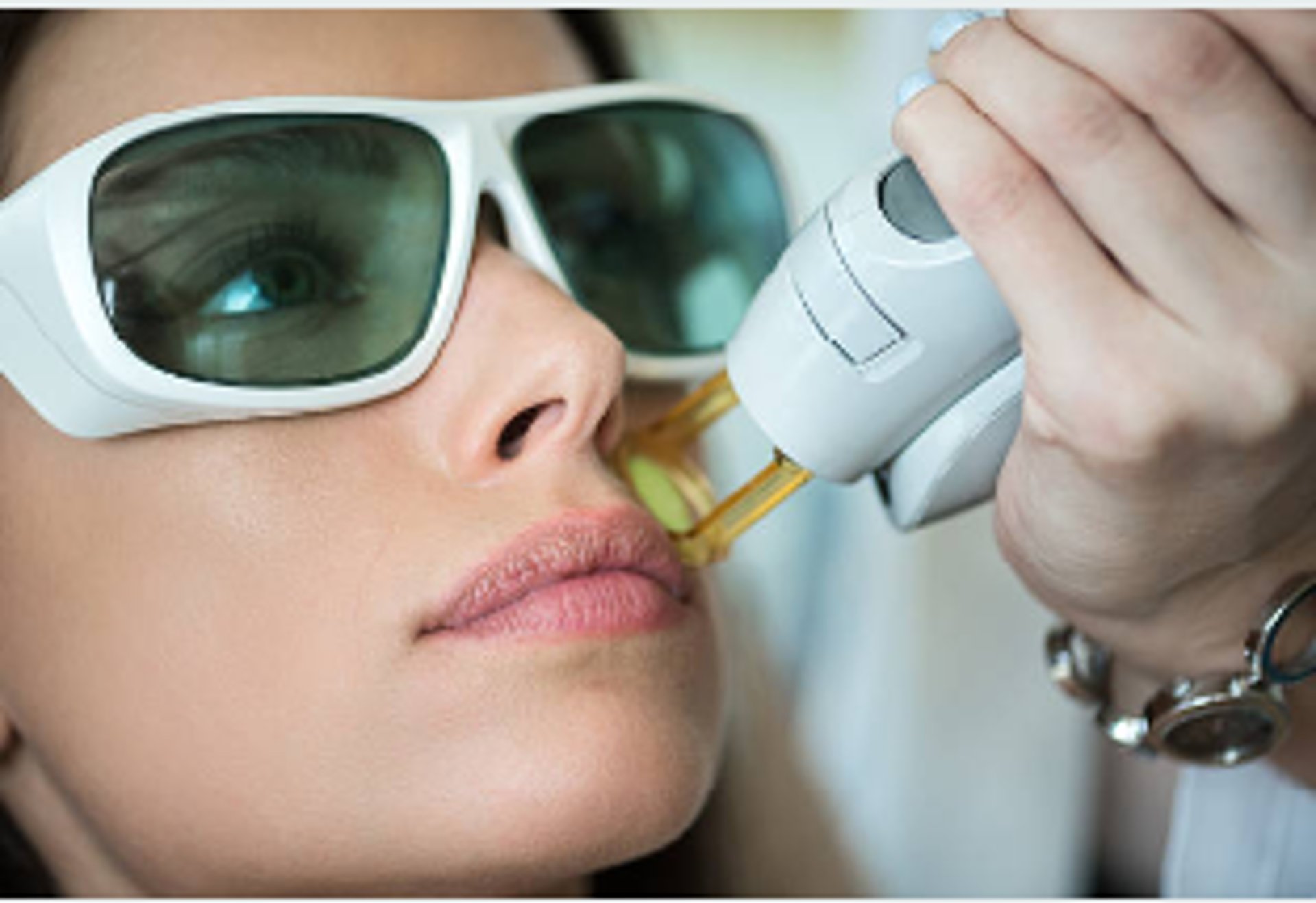
1. Laser doesn't permanently remove hair; it just makes it softer, delays growth, and reduces it.
2. Between laser sessions, only shave the area; no waxing, threading, or similar methods.
3. After the laser procedure, use eldoquine cream for whitening twice daily with sunblock, starting two weeks later, and stop it two days before the session.
4. Lasers can't remove fine, blond, or white hair, only thick black hair.
5. It works best for light skin tones with thick black hair.
6. If the procedure causes discomfort, you can take Panadol before and after.
7. Laser might change hair colour, either darkening or lightening it.
8. Your hair might become thicker, and you could sweat more.
9. Some foods can reduce the laser effect and increase the chance of skin darkening; avoid foods rich in beta-carotene.
10. Protect your eyes during the procedure.
11. Some fine hairs may grow more than before as a side effect.
12. Hair may grow back 6–8 weeks after the last session, even before completing all sessions.
13. Hair grows in stages; laser works on hair in the growth stage, so multiple sessions are needed.
14. Avoid Moroccan baths, saunas, or scrubbing a month before and after the session to reduce pigmentation risk.
15. Wait at least 3 months after tanning before doing a laser treatment.
16. Patch tests aren't reliable; how you react to laser varies each session due to various factors.
17. Darkening or lightening of the skin (hyperpigmentation or hypopigmentation) is a rare risk that might take months to resolve.
18. Temporary skin reactions like reddening, swelling, or blistering might occur but should resolve within hours or days.
19. Avoid lasers for eyebrows due to potential eye risks.
20. There's a chance of scarring and blistering that may not completely heal.
21. For tattoos or permanent makeup, the laser might change colours or cause blisters.
22. Avoid lasers during pregnancy.
23. Use anti-viral treatment for herpes before and after the laser.
24. Lasers may trigger vitiligo in vitiligo patients.
25. Be cautious when using large amounts of numbing cream, as it could be absorbed into the body.
26. If there's an organic reason for excessive hair growth (Hirsutism), it should be treated.
27. Inflammation of hair follicles (folliculitis) may occur after laser.
28. Lasers might worsen active acne.
29. Avoid lasers if you're taking Roaccutane lasers.
30. Lasers may worsen or improve psoriasis, depending on the case.
31. Bruising is rare but can happen and usually lasts a few weeks.
32. Allergic reactions like itching and redness may occur; consult for remedies.
33. Previously treated or damaged skin may heal abnormally or slowly after laser therapy.
34. Rarely, pinpoint bleeding may occur after treatment.
35. Midline body hair might not respond well to laser.
36. Diabetic patients need extra care to prevent burns.
37. Multiple sessions are needed for laser hair removal to be effective.
38. Around 10–15% of people may not respond to lasers.
39. In some cases, laser treatment may not work.
I have read and understood this information, and I authorise my doctor/nurse to perform the procedure. I relieve my doctor of the responsibility for any complications.
then the signature and the date
Consent for the Laser Hair Removal Procedure:
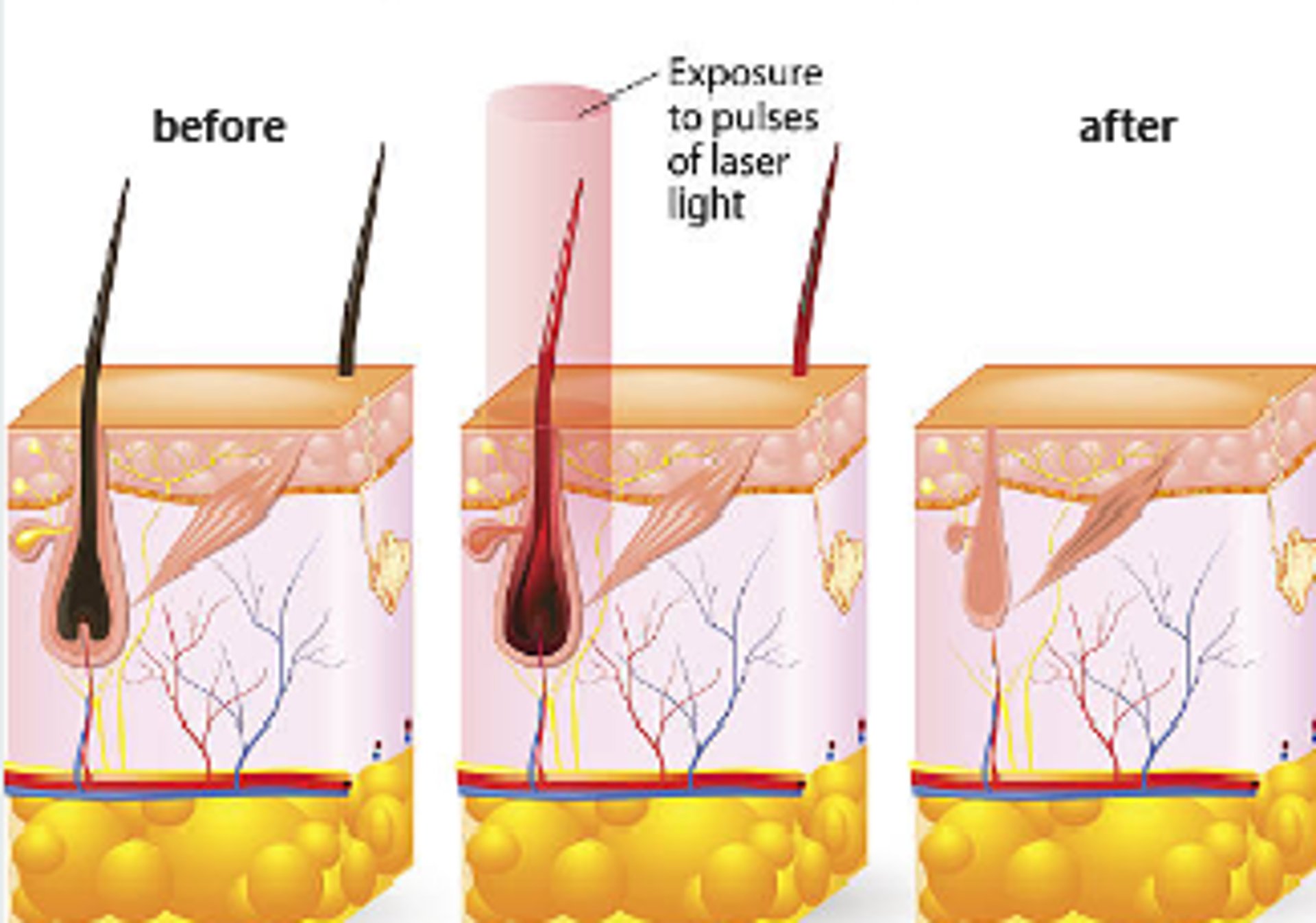
Embracing Technological Progress: A New Era in Laser Hair Removal
In summary, laser hair removal stands as a versatile and sought-after solution for curbing hair growth. It's a method that effectively delays hair growth and softens it, especially for individuals with thick, dark hair and lighter skin tones. However, a crucial understanding is that the results may vary, and the permanency of the procedure isn't guaranteed.
Effective preparation and cautious consideration are paramount for a fruitful laser hair removal experience. Abiding by pre-procedure guidelines, including appropriate shaving and refraining from specific treatments or activities, significantly contributes to a safer and more fruitful outcome. Safeguarding your eyes during the procedure and being mindful of dietary choices and skin conditions are equally vital aspects that enhance the procedure's efficacy.
The realm of laser hair removal has witnessed remarkable technological advancements, leading to a considerable reduction in potential side effects. Complications, once a concern, are now relatively rare. Acknowledging that approximately 10–15% of individuals may not respond optimally to laser treatment underscores the importance of maintaining realistic expectations. As a rule, always engage in thorough consultations with your healthcare professional, tailor-fitting the approach to your unique circumstances and ensuring the most favourable and gratifying experience with laser hair removal.
FQA
Question: What are the key considerations before undergoing laser hair removal?
Answer: Understanding the stages of hair growth and potential side effects is crucial before undergoing laser hair removal. Explore these specifics in the standard consent form to make informed choices.
Question: What is emphasized regarding the information provided in the consent form?
Answer: The information provided serves as general guidelines for laser hair removal procedures, with advancements in technology significantly reducing side effects. The concerns outlined are typically applicable to a minority, around 20% of cases.
Question: How does laser hair removal affect hair growth?
Answer: Laser hair removal softens and delays hair growth without permanently removing it. It works best for those with thick black hair and lighter skin tones.
Question: What precautions should one take before and after a laser hair removal session?
Answer: Before the session, avoid certain activities like Moroccan baths and saunas to reduce pigmentation risk. After the procedure, use prescribed cream and sunblock. Also, wait at least 3 months after tanning before a laser treatment.
Question: How can one optimize the effectiveness of laser hair removal?
Answer: To optimize effectiveness, follow pre-procedure guidelines, including appropriate shaving between sessions. Ensure proper skin preparation and eye protection during the procedure. Mindful dietary choices can also enhance efficacy.
Question: How have advancements in technology impacted the risks associated with laser hair removal?
Answer: Advancements have significantly reduced complications, making concerns relatively rare. Understanding that not everyone responds optimally to laser treatment is essential to maintain realistic expectations.
Question: What steps should one take before signing the consent form for laser hair removal?
Answer: Thoroughly read and understand the information in the consent form, acknowledging the specifics of the procedure, potential side effects, and the need for multiple sessions. Consult with a healthcare professional for personalized advice before authorizing the procedure.
You may also like


For appointments, contact the clinic
©️ of Beauty fairy stories
Terms and conditions
Disclaimer: As an Amazon Associate, author, and affiliate on other networks, I may earn from qualifying purchases.