
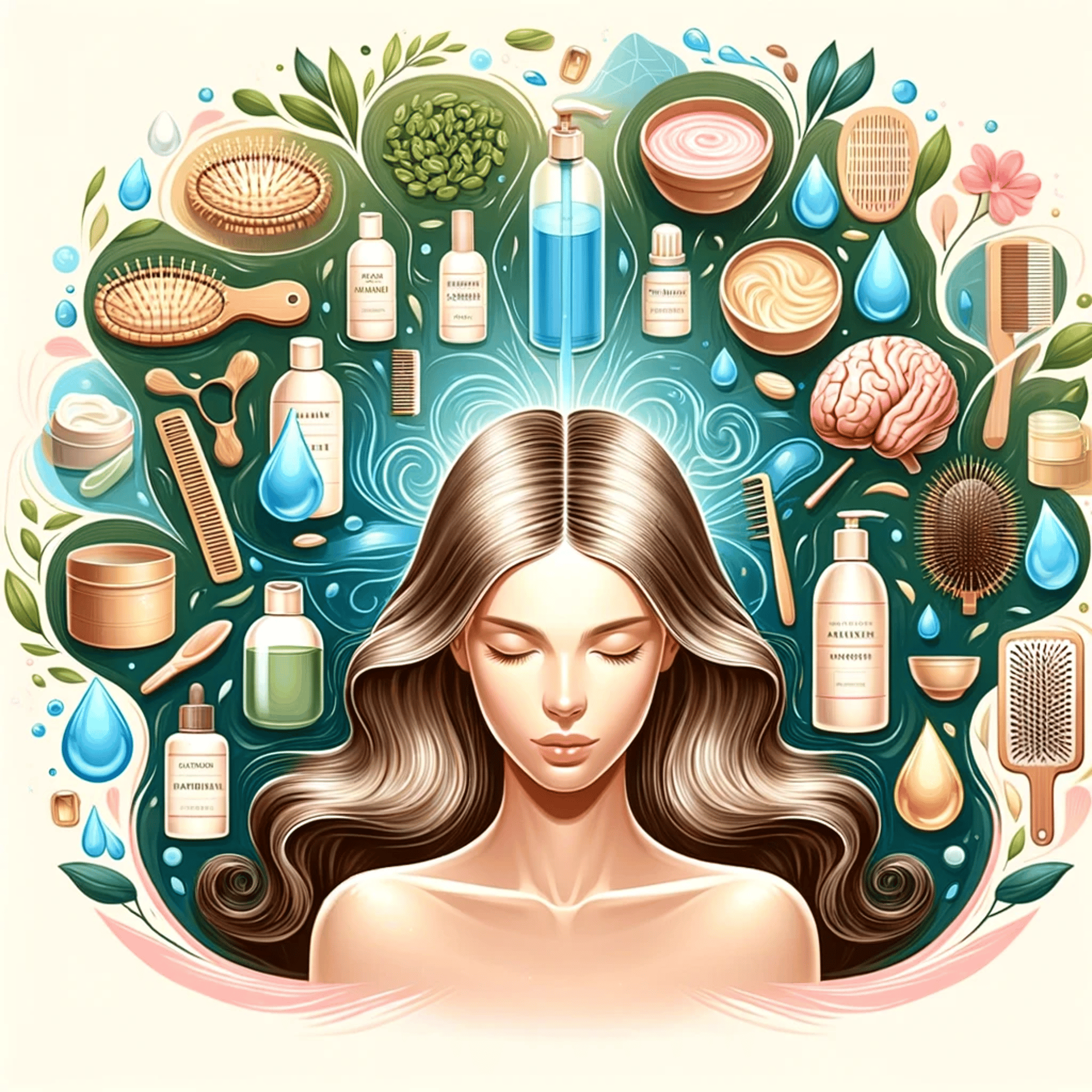
Healthy Hair Guide: Nurturing Your Scalp
Revitalize your hair: Master Scalp Treatment, Hair Growth, Loss Prevention, and Post-Care for optimal Hair and Scalp Health.
BLOGPERSONAL CAREPERSONAL CARE HAIR
Daniela Youroukova
10/26/202312 min read
Unlocking the Secrets of Scalp Health and Hair Vitality
In this comprehensive guide, we will explore the significance of scalp health and provide a roadmap for effective scalp treatment and post-treatment care, drawing upon expert insights and the wisdom shared in the previous conversation.
Your hair is often referred to as your crowning glory, and rightly so. It's an essential aspect of our identity and plays a significant role in our self-confidence. While many focus on the strands of hair themselves, the often-neglected hero behind that glorious hair is your scalp. A healthy scalp is the foundation for lustrous, strong, and beautiful hair. However, an ailing or mistreated scalp can lead to a range of hair woes, from dandruff and itchiness to hair loss.
The Significance of Scalp Health
A thriving scalp is not only the birthplace of luxurious hair but also the shield against common hair issues. Let's delve into the importance of scalp health:
1. Fosters Luxurious Hair Growth: Your scalp, when properly nourished, creates an ideal environment for hair growth. Healthy hair follicles result in stronger, fuller locks.
2. Dandruff Management: Embarrassing and uncomfortable, dandruff can be a consequence of an imbalanced scalp. Understanding the root causes and treatment options is pivotal for a flake-free scalp.
3. Alleviates Itchiness: An itchy scalp can be bothersome and affect your daily life. An effective scalp care routine can help you bid farewell to constant scratching and its potential impact on your hair.
4. Oil Regulation: An unbalanced scalp can lead to overproduction of sebum, leaving your hair looking perpetually greasy. Scalp treatments help regulate oil production, leading to cleaner and more manageable hair.
Scalp Treatment Tips
Maintaining a healthy scalp is a journey, not a destination. Here are some crucial tips for effective scalp treatment:
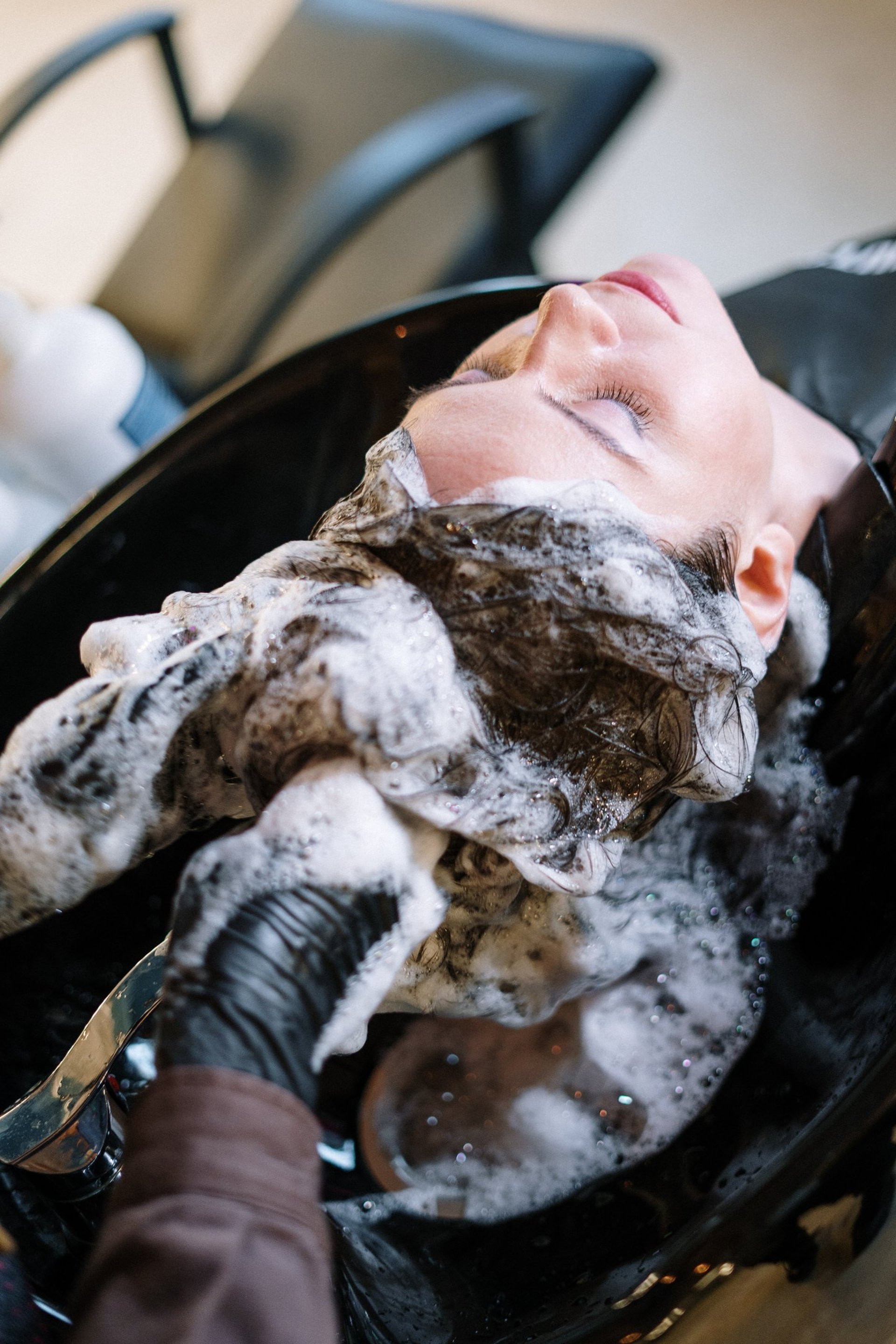
1. Select the Perfect Shampoo and Conditioner: The foundation of any hair care routine, your choice of products should match your hair type and scalp condition. Opt for sulfate-free, pH-balanced products with natural ingredients to maintain scalp health.
2. Maintain Pristine Hygiene: Regular hair washing is essential, but overdoing it can strip your scalp of natural oils. Aim for 2-3 washes per week. When you do shampoo, be gentle to avoid irritation.
3. Embrace Scalp Exfoliation: Just as your skin benefits from exfoliation, your scalp does too. Utilize a gentle exfoliating scrub or a specialized brush to remove dead skin cells, enhance blood circulation, and stimulate hair growth.
4. Nourishing Treatments: Pamper your scalp and hair with weekly applications of hair masks or oil treatments. Ingredients like coconut oil, argan oil, aloe vera, and specialized scalp serums can rejuvenate your scalp.
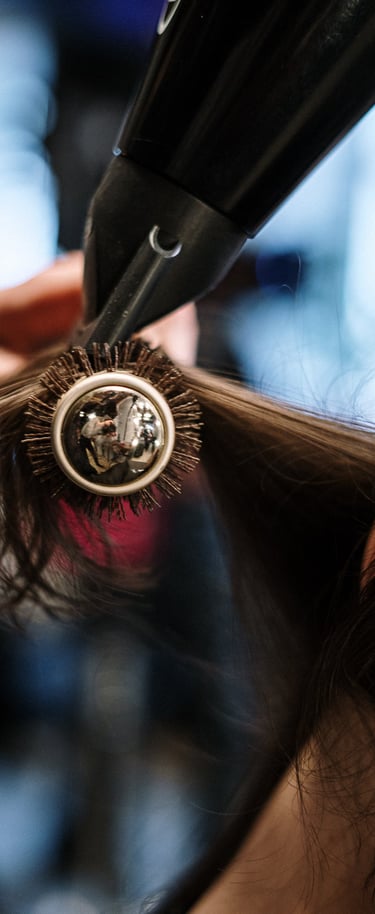
5. Curtail Heat Styling: Excessive use of heat styling tools can lead to dryness and damage. Minimize their usage to preserve scalp health. Always apply a quality heat protectant when heat styling is necessary.
6. Eat Well, Stay Hydrated: A balanced diet and proper hydration are fundamental for scalp health. Foods rich in essential nutrients like B vitamins, zinc, and omega-3 fatty acids contribute to scalp and hair health.
7. Stress Management: Stress can trigger scalp problems, including hair loss. Incorporate stress-reduction practices such as meditation, yoga, or deep breathing exercises to maintain a harmonious mind and scalp.
8. Professional Guidance: If persistent or severe scalp issues persist, consult a dermatologist or trichologist. They can offer a precise diagnosis and recommend specialized treatments or medications as necessary.
Clinic-Based Scalp Treatments
For individuals battling stubborn or complex scalp issues, clinics provide access to advanced treatments and solutions. Here are some clinic-based options:
1. Scalp Microdermabrasion: This specialized procedure exfoliates the scalp deeply, effectively removing dead skin cells and promoting healthy hair growth.
2. Low-Level Laser Therapy (LLLT): LLLT employs red light therapy to stimulate hair follicles, promoting hair growth and preventing further hair loss.
3. Platelet-Rich Plasma (PRP) Therapy: PRP entails drawing your blood, processing it to concentrate the platelets, and then injecting it into the scalp. This treatment can stimulate hair growth by nourishing hair follicles.
4. Prescription Medications: Clinics can provide access to prescription-strength medications such as minoxidil or finasteride for hair loss treatment.
Recommended Products for Post-Treatment Care
After undergoing treatments, maintaining the health of your scalp and hair is crucial. Here are recommended products for post-treatment care:
1. Post-Treatment Shampoo and Conditioner: Choose gentle, nourishing products to support the healing process after treatments. Look for those with natural ingredients and without harsh chemicals.
2. Scalp Serums: Specialized post-treatment scalp serums, especially those containing peptides or growth factors, can help maintain the health of your hair and scalp.
3. Leave-In Conditioners: These products can provide added moisture and protection for your hair and scalp, especially if you've undergone treatments like microdermabrasion or laser therapy.
4. SPF Hair Products: Protect your scalp from harmful UV rays with hair products containing SPF to prevent sun damage and maintain the results of your treatments.
Continuing Post-Treatment Care
Post-treatment care is an ongoing commitment to maintain the benefits of clinical scalp treatments. Here are additional tips:
5. Silk or Satin Pillowcases: Using silk or satin pillowcases can reduce friction on your hair and scalp, minimizing tangles and breakage, especially after treatments.
6. Deep Conditioning Masks: Regular use of deep conditioning masks can keep your hair soft and manageable, particularly if your treatment has left your hair feeling dry or brittle.
7. Sulfate-Free Products: Continue to use sulfate-free shampoos and conditioners to preserve a healthy scalp. Sulfate-free products are gentle and won't strip your hair of natural oils.
8. Avoid Heat Styling: After treatments, it's advisable to minimize heat styling to prevent further damage. Embrace natural hairstyles or use heat protectants if heat styling is necessary.
9. Regular Trims: Schedule regular trims to keep your hair in great shape. Trimming helps remove split ends and maintains the overall health and appearance of your hair.
10. Consultation with a Specialist: If you've undergone clinical treatments, stay in touch with the specialist who performed the treatment. They can offer guidance on post-treatment care specific to your needs.

Maintaining Scalp Health
A holistic approach to maintaining scalp health is crucial for long-term success:
11. Scalp Massages: Continue to incorporate scalp massages into your routine to promote blood circulation, essential for healthy hair follicles and overall scalp health.
12. Avoid Chemical Treatments: Post-treatment, avoid chemical treatments such as perms, relaxers, or harsh hair dyes for a while, as your scalp and hair may be more sensitive.
13. Regular Check-Ins: Regularly check in with your dermatologist, trichologist, or the specialist who administered your clinical treatment. These follow-up appointments can help monitor your progress and make necessary adjustments to your post-treatment care routine.
14. Patience and Consistency: Post-treatment care is a journey, and results may not be immediate. Be patient and consistent with your care routine, as it can take time for your hair and scalp to fully recover and thrive.
15. Lifestyle Choices: Maintain a healthy lifestyle by staying hydrated, eating a balanced diet, and managing stress. These factors contribute significantly to overall hair and scalp health.
16. Avoid Tight Hairstyles: Refrain from tight hairstyles, such as tight ponytails or braids, which can stress the hair shaft and scalp. Opt for looser, gentler styles to prevent unnecessary strain.
17. Product Patch Testing: When introducing new hair care products, always perform a patch test to ensure you're not allergic or sensitive to any ingredients. This precaution can prevent adverse reactions on your sensitive post-treatment scalp.
Sustaining Healthy Scalp and Hair
18. Regular Scalp Examinations: Continue to perform regular self-examinations of your scalp to stay aware of any changes or issues that may require attention. Early detection can be key in addressing potential problems promptly.
19. Natural Remedies: Consider incorporating natural remedies into your post-treatment care routine. Ingredients like aloe vera, rosemary oil, or tea tree oil have been known to promote scalp health and hair growth. Always ensure you're not allergic to any natural ingredients before using them.
20. Antioxidant-Rich Foods: Consume a diet rich in antioxidants to protect your hair and scalp from free radical damage. Berries, almonds, and leafy greens are all good options.
21. Stay Hydrated: Proper hydration is vital for overall health, including your hair and scalp. Drink an adequate amount of water each day to keep your scalp and hair moisturized from the inside out.
22. Silk or Satin Hair Wraps: Consider using silk or satin hair wraps or bonnets at night to minimize friction and reduce the chances of hair breakage while you sleep.
23. Holistic Approaches: Explore holistic approaches to hair and scalp health, such as acupuncture or Ayurvedic treatments, which can offer additional support and balance to your overall well-being.
24. Stress Reduction Techniques: Incorporate stress-reduction practices like meditation, yoga, or mindfulness to support not only your scalp but your mental well-being as well.
25. Listen to Your Body: Pay attention to your body and your hair. If you notice changes, such as increased hair loss or persistent discomfort, consult a professional promptly to address any concerns.

Sustaining Healthy Scalp and Hair
18. Regular Scalp Examinations: Continue to perform regular self-examinations of your scalp to stay aware of any changes or issues that may require attention. Early detection can be key in addressing potential problems promptly.
19. Natural Remedies: Consider incorporating natural remedies into your post-treatment care routine. Ingredients like aloe vera, rosemary oil, or tea tree oil have been known to promote scalp health and hair growth. Always ensure you're not allergic to any natural ingredients before using them.
20. Antioxidant-Rich Foods: Consume a diet rich in antioxidants to protect your hair and scalp from free radical damage. Berries, almonds, and leafy greens are all good options.
21. Stay Hydrated: Proper hydration is vital for overall health, including your hair and scalp. Drink an adequate amount of water each day to keep your scalp and hair moisturized from the inside out.
22. Silk or Satin Hair Wraps: Consider using silk or satin hair wraps or bonnets at night to minimize friction and reduce the chances of hair breakage while you sleep.
23. Holistic Approaches: Explore holistic approaches to hair and scalp health, such as acupuncture or Ayurvedic treatments, which can offer additional support and balance to your overall well-being.
24. Stress Reduction Techniques: Incorporate stress-reduction practices like meditation, yoga, or mindfulness to support not only your scalp but your mental well-being as well.
25. Listen to Your Body: Pay attention to your body and your hair. If you notice changes, such as increased hair loss or persistent discomfort, consult a professional promptly to address any concerns.
Ongoing Post-Treatment Care
26. Scalp Detox: Consider a periodic scalp detox treatment, which involves using products designed to remove product buildup, oil, and dead skin cells. A detox can refresh your scalp and improve overall hair health.
27. Gradual Return to Styling: As your hair and scalp recover, gradually reintroduce styling products and tools. Start with minimal heat and product use, and pay attention to how your hair responds.
28. Regular Maintenance Appointments: Continue scheduling maintenance appointments with your dermatologist or hair specialist, even if you don't have specific concerns. Regular check-ins can help you stay on top of your hair and scalp health.

Mind and Body Connection
29. Regular Exercise: Engaging in regular physical activity improves overall blood circulation, which benefits your scalp health. Exercise also helps reduce stress, which can be advantageous for your hair and scalp.
30. Mindful Brushing: Be gentle when brushing your hair, especially if it's still in a fragile state after clinical treatments. Use a wide-toothed comb or a gentle brush to prevent hair breakage.
31. Hydrogen Peroxide-Free Hair Dyes: If you wish to colour your hair, opt for hydrogen-peroxide-free and ammonia-free hair dyes to reduce the risk of further damage to your hair and scalp.
32. Vitamin Supplements: Consult with your healthcare provider about the possibility of taking vitamin supplements like biotin, which can support hair and scalp health.
33. Experiment with Herbal Teas: Herbal teas like chamomile or nettle can be used as a final rinse after washing your hair to add shine and promote scalp health.
34. Limit Exposure to Chlorine: Chlorine in swimming pools can be harsh on your hair and scalp. Consider wearing a swim cap or applying a protective leave-in conditioner before swimming to reduce chlorine's damaging effects.
Psychological Support and Community
35. Supportive Diet: Continue to maintain a diet rich in essential nutrients, particularly vitamins and minerals that contribute to hair health, such as vitamin A, C, and biotin.
36. Transition to Chemical-Free Products: Consider transitioning to natural and chemical-free hair care products over time. These products are gentler on your hair and scalp.
37. Regular Blood Tests: If you're experiencing persistent hair issues, consider regular blood tests to monitor nutrient levels, hormonal imbalances, or other factors affecting your hair and scalp health.
38. Mindful Hairstyling: Choose hairstyles that are easy on your hair and scalp. Avoid excessive pulling or tension, which can lead to hair loss or damage.
39. Psychological Support: If hair loss or scalp issues are affecting your self-esteem, consider seeking psychological support or counseling to help you cope with any emotional challenges.
40. Natural Hair Masks: Make use of natural ingredients like yogurt, honey, or aloe vera to create nourishing hair masks at home. These treatments can rejuvenate your hair and scalp.
41. Educate Yourself: Stay informed about new research and breakthroughs in hair and scalp health. Knowledge empowers you to make informed choices about your post-treatment care.
Conclusion
Maintaining scalp health and healthy, beautiful hair is a holistic endeavour. Your scalp forms the foundation for the luxurious locks you desire, and it deserves the attention and care you provide. This comprehensive guide has taken you through the essential elements of scalp treatment and post-treatment care, equipping you with the knowledge and strategies needed for your hair's well-being.
Remember, the journey to a thriving scalp and radiant hair is ongoing. Patience and consistency are your allies, as the results of your efforts may not always be immediate. Each individual's hair and scalp have unique needs, and it's important to tailor your care routine accordingly.
Seeking professional guidance, when necessary, whether from a dermatologist, trichologist, or a hair specialist, can provide invaluable insights and personalized recommendations. Additionally, participating in support groups or forums for individuals who have experienced similar hair and scalp challenges can offer both emotional support and practical advice.
Your post-treatment care journey is not just about appearances but also about fostering a healthy relationship with your hair and scalp. As you adapt to the changes and challenges along the way, remember that knowledge is a powerful tool. Stay informed about the latest research and developments in hair and scalp health to make informed choices about your post-treatment care.
In the end, your dedication to maintaining your scalp and hair's health will be rewarded with not only beautiful, resilient hair but also a greater sense of self-confidence and well-being. Your hair journey is a journey of self-discovery, and it's one worth embarking upon with care and commitment.


FQA
Q: What insights will I gain from this comprehensive guide? A: Delve into our guide to uncover a wealth of knowledge on scalp treatment. Explore effective hair growth strategies, masterful hair loss prevention techniques, the merits of clinical scalp treatments, expert advice on post-treatment hair care, and the paramount importance of overall hair and scalp health.
Q: What are the core focal points of this guide? A: The guide zones in on essential areas: scalp treatment for rejuvenation, hair growth strategies for vitality, hair loss prevention for resilience, clinical scalp treatments for transformation, post-treatment hair care for sustainability, and the overarching significance of nurturing holistic hair and scalp health.
Q: How can I elevate the well-being of my hair? A: Elevating your hair's vitality is within reach by following the wisdom offered in this guide. It entails choosing suitable hair care products, embracing scalp exfoliation for renewal, indulging in nourishing treatments, and nourishing your hair and scalp through a well-rounded diet.
Q: Are there any expert tips to combat dandruff? A: Indeed, we've got a treasure trove of tips for effectively managing dandruff through natural means. Plus, discover the keys to maintaining a healthy scalp to vanquish dandruff and enjoy flake-free hair.
Q: What's the link between stress and hair and scalp health? A: The guide unveils the intricate connection between stress and hair issues, including hair loss. Learn stress-busting techniques such as meditation and mindfulness to keep both your mind and scalp in harmonious balance.
Q: What can I anticipate from clinical scalp treatments? A: Step into the world of clinical scalp treatments, where microdermabrasion, low-level laser therapy, and platelet-rich plasma (PRP) therapy take the spotlight. Gain insight into their transformative potential in revitalizing your scalp and promoting luscious hair growth.
Q: Can I receive advice on post-treatment care? A: Yes, our guide offers an array of post-treatment care pearls, from handpicked product recommendations to lifestyle adjustments and the importance of regular consultations with specialists, all aimed at ensuring long-lasting results.
Q: Are natural remedies for scalp care part of the guide? A: Absolutely, we embark on a journey through natural remedies, unlocking the potent benefits of aloe vera and herbal teas in nurturing scalp health and addressing common concerns.
Q: Why is psychological support vital in the realm of hair care? A: Delve into the pivotal role of psychological support, a cornerstone in navigating the emotional aspects of hair loss and scalp issues. Our guide sheds light on the importance of psychological well-being and equips you with strategies to cope with the associated challenges.
Q: Is this guide tailored to both men and women? A: Most certainly, the guide transcends gender boundaries, catering to the universal quest for healthy hair and scalp. Irrespective of your gender, the insights shared herein apply to all individuals.
Q: Where can I access more in-depth knowledge on specific guide topics? A: Our comprehensive guide is a treasure trove, with individual sections dedicated to each topic. Dive into specific segments to unearth in-depth information on the subjects that captivate your curiosity the most.
You may also like
For appointments, contact the clinic
©️ of Beauty fairy stories
Terms and conditions
Disclaimer: As an Amazon Associate, author, and affiliate on other networks, I may earn from qualifying purchases.