
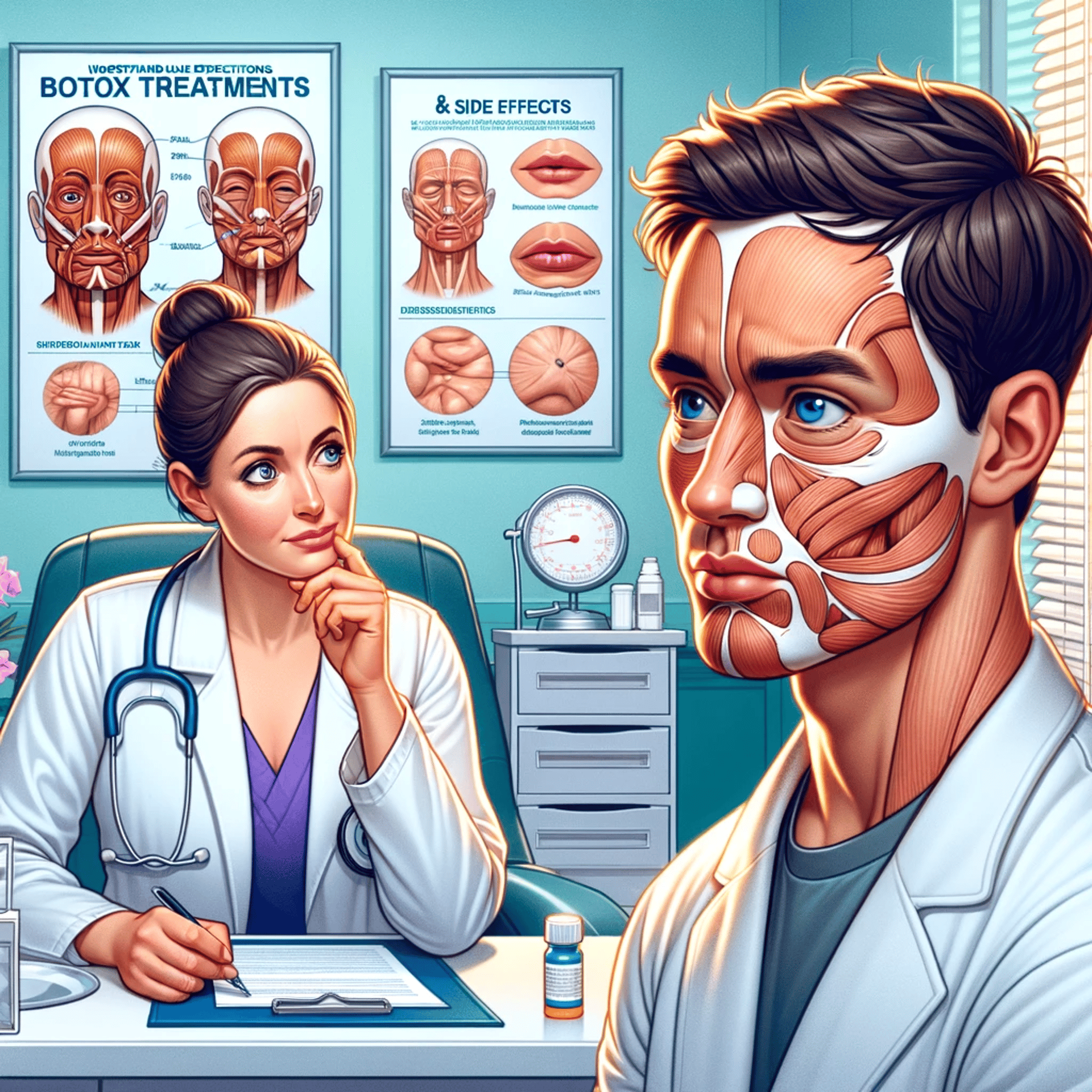
Botox: Expectations & Side Effects Explained
Dive into Botox complexities: from migraine relief to cosmetic uses, side effects, expectations, and the temporary nature of results.
DERMA
Daniela Youroukova
8/25/20234 min read
Your Botox experience and your well-being
Discover the potential side effects of Botox, from minimal discomfort to rare instances of unintended effects. Prioritize a comprehensive consultation with healthcare professionals to make informed decisions and ensure your Botox experience aligns with your goals and well-being
Contradictions of Using Botox for Different Treatments:
Expectations and Realities of Botox Treatment:
1. Migraine Treatment Contradictions: While Botox has shown effectiveness in reducing the frequency and intensity of migraines, it's not suitable for everyone. Individuals with a history of allergic reactions to Botox components, pregnant or breastfeeding women, and those with certain neurological disorders might not be suitable candidates for this treatment. Consultation with a medical professional is essential to assess individual suitability.
2. Cosmetic Use Contradictions: When considering Botox for cosmetic purposes, it's important to note that its effects are specific to dynamic wrinkles caused by muscle movement. Botox is not effective for wrinkles caused by sun damage or gravity. Additionally, individuals with certain medical conditions or taking specific medications might need to avoid Botox treatments. A thorough consultation with a qualified provider is crucial to determining candidature.
1. Migraine Treatment Expectations: While Botox can significantly reduce migraine frequency for some individuals, it's important to manage expectations. Results vary, and it might take a few weeks to notice a difference. Botox isn't a cure for migraines; it aims to minimize their occurrence and intensity. A realistic approach, combined with open communication with your healthcare provider, is key.
2. Cosmetic Use Expectations: For cosmetic purposes, Botox can provide a smoother appearance by relaxing targeted muscles. However, the results are temporary and typically last a few months. To keep the benefits going, regular maintenance treatments are essential. It's crucial to have a thorough discussion with your provider about your desired outcomes and the realistic timeline for achieving and maintaining them.
Botox


Botox
1. Migraine Treatment Side Effects: Botox injections for migraines generally have minimal side effects. However, some individuals might experience injection-site discomfort, bruising, or mild headaches after the procedure. These symptoms are usually transient and disappear within a few days. Serious side effects are uncommon, however, allergic reactions are possible. If you notice any unexpected symptoms, seek medical attention.
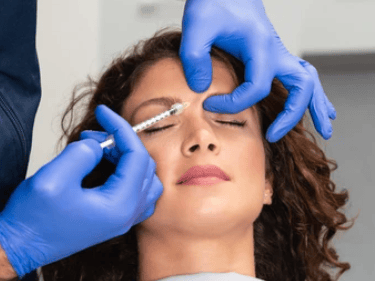
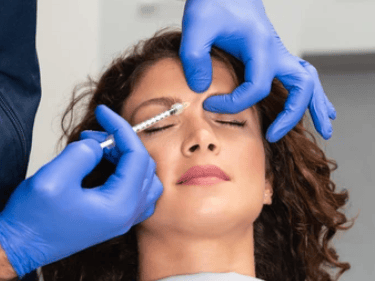
2. Cosmetic Use Side Effects: Common side effects of Botox for cosmetic use include temporary redness, swelling, or bruising at the injection sites. In rare cases, unintended muscle weakening can occur, resulting in temporary drooping or asymmetry. These effects are typically temporary and reversible. It's crucial to choose a skilled and experienced provider to minimize the risk of adverse effects.
Potential Side Effects of Botox Treatment:
Remember that individual experiences can vary, and the information provided here is meant to offer a general understanding. Always consult a qualified healthcare professional before undergoing any medical procedures, and discuss your concerns, expectations, and medical history thoroughly.
Disclaimer
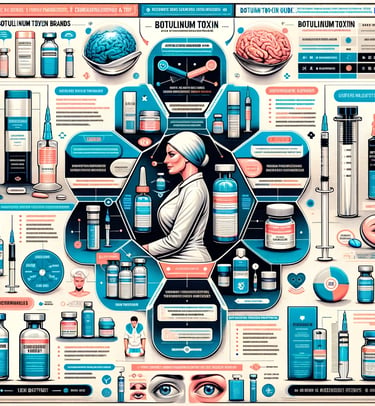
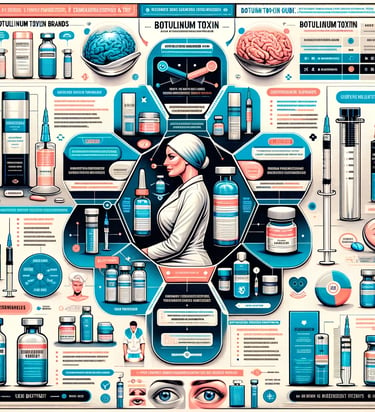
Commonly Used and Effective Injectable Botulinum Toxin Products:
Botox (OnabotulinumtoxinA) - Allergan
Dysport (AbobotulinumtoxinA) - Galderma
Xeomin (IncobotulinumtoxinA) - Merz Pharmaceuticals
Jeuveau (PrabotulinumtoxinA) - Evolus
Nuceiva (PrabotulinumtoxinA) - Ipsen
Prosigne (Botulinum Toxin Type A) - Hugel
Lantox (Botulinum Toxin Type A) - ICN Pharmaceuticals
Relatox (Botulinum Toxin Type A) - Medy-Tox
Azzalure (AbobotulinumtoxinA) - Ipsen
Myobloc (RimabotulinumtoxinB) - Solstice Neurosciences
Here is a list of
10 commonly used and effective injectable botulinum toxin products,
followed by
10 non-injectable uses:
Commonly Used Non-Injectable Botulinum Toxin Applications:
Botox Injections for Hyperhidrosis (Excessive Sweating)
Botox for Chronic Migraines
Botox for Muscle Spasms and Pain Management
Botox for Bladder and Urinary Incontinence
Botox for Bruxism (Teeth Grinding)
Botox for TMJ (Temporomandibular Joint Disorder)
Botox for Gummy Smile
Botox for Eye Twitching (Blepharospasm)
Botox for Cervical Dystonia
Botox for Voice Disorders (Spasmodic Dysphonia)
Please note that the effectiveness of these treatments can vary based on individual circumstances and medical considerations. It's important to consult with a qualified healthcare provider to determine the most appropriate treatment for your specific needs.
Botox
Botox, a neurotoxin derived from the bacterium Clostridium botulinum, has become a popular topic in recent years. This article dives into the various aspects of Botox, its uses, and its effects on the human body. Botox is primarily known for its ability to reduce the appearance of wrinkles and fine lines by temporarily paralysing muscle activity. However, it also has medical applications in treating conditions such as chronic migraines, muscle spasms, and excessive sweating. The article explores the potential risks and side effects associated with Botox injections, emphasising the importance of consulting a qualified medical professional before undergoing such procedures. It also delves into the societal implications of Botox, discussing the debate surrounding its promotion of unnatural beauty standards and the ethical concerns associated with its usage. Overall, this article provides a comprehensive analysis of the multifaceted topic of Botox.
You may also like


For appointments, contact the clinic
©️ of Beauty fairy stories
Terms and conditions
Disclaimer: As an Amazon Associate, author, and affiliate on other networks, I may earn from qualifying purchases.